Booking a train ticket in India throws up more choices than most first time travellers expect. From sleeper berths to AC first class cabins, there are several types of seats in train worth knowing about. A choice of sleeper or 2nd class berths will come down mainly to the length of your journey and your budget. There are hundreds of trains every day connecting every major Indian town to every one of the other, Indian Railways is the busiest network in the world and its seating arrangement reflects that fact.

Whether you are going on a train for just an hour long trip or spending a few hours and even a night traveling, knowing what you could choose if you want to buy railway ticket will help a lot. It also saves you the embarrassment of showing up at the station with no idea of where you sit. We have explained all seats of a train in our guide. This will also include details about facilities available in each class type and how to view availability of seats online just before you reserve a ticket.
Types of Seats in Train: A Quick Overview
Indian Railways broadly splits its coaches into sleeper, AC classes, chair car, and general seating. Each type of seats in trains serves a different kind of traveller. A daily office commuter has no real use for a sleeper berth. A family heading out on a two day journey probably wants one instead. That difference in need is exactly why there are so many types of train seats in India. Options range from budget unreserved coaches to premium executive cabins. Below, each seat type gets its own section. Along with that comes the practical pros and cons that matter when booking.
Sleeper Class Berths: The Most Familiar Type of Seating in Train
Sleeper class remains the backbone of long distance travel in India. Each coach holds several bays, and every bay has upper, middle, and lower berths. These are arranged in a fixed pattern that repeats through the coach. Passengers get a mattress free space to lie down. Chair car seating simply cannot offer that on overnight routes.
The lower berth suits older passengers and anyone who struggles climbing up. The middle berth folds down only at night. Daytime seating then depends on cooperation between passengers sharing that bay. That small bit of etiquette often catches first time travellers off guard.
On the plus side, sleeper tickets cost far less than AC classes. Open windows also keep the coach ventilated through daytime hours. The downside shows up in summer, when a non air conditioned coach gets uncomfortably warm across central India. Security needs more attention here too, since sleeper coaches lack the controlled entry that AC coaches have.
Sleeper class works best for budget conscious travellers who do not mind basic comfort. It remains one of the most booked types of seats in train. That popularity comes down to how well it balances price against practicality.
AC Coach Options: First AC, Second AC and Third AC
AC coaches split further into three sub categories, and the differences matter more than passengers usually realise. First AC offers private cabins with two or four berths. It comes with curtains and the most privacy of any class. Second AC gives you curtained bays with fewer berths per coach than Third AC. It also brings reading lights and slightly wider berths.
Third AC packs more berths into each coach, which brings the price down while keeping the coach climate controlled. It has become the most popular AC option among these types of seats in train. That comes from sitting right in the middle ground between comfort and affordability. Many families and solo travellers choose Third AC specifically for this balance.
The pros across all three AC classes include a controlled temperature and bedding provided by the railways. Better security also comes with restricted coach access. The cons mostly come down to price. First AC in particular can cost several times more than a sleeper ticket on the same route.
Before finalising which AC class fits your trip, check the live train running status. It helps you plan your arrival at the station without wasted waiting time.
Chair Car and Executive Chair Car Seats
Chair car seating suits day trains and shorter routes where an overnight berth adds no real value. Seats sit arranged airline style, in rows facing forward. Most coaches follow a three plus two layout across the width. Executive chair car takes this further with wider seats and more leg room. It also runs on a two plus two layout instead.
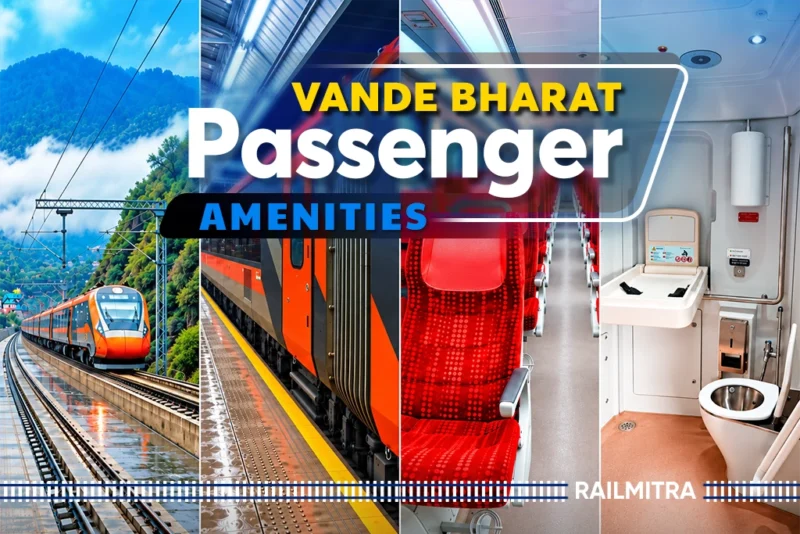
In a Vande Bharat train train or most Shatabdi services seating arrangements consist only of chairs or exec chair cars. A reclining seat a mini folding tray table per person. Many trains cover onboard catering service charge is also included ticket price.
The pros here include speed, since chair car trains typically run on premium daytime schedules. Fewer stops along the route also help save time. Legroom in executive class beats standard chair car by a noticeable margin. The main con is that overnight comfort simply does not exist in this seat type. A ten hour day journey can feel long without a berth to stretch out on.
This particular type of seating in train has grown fastest in recent years. That growth largely traces back to the expansion of semi high speed services.
General Coach Seating: The Unreserved Type of Seats in Trains
General coaches, sometimes called unreserved coaches, offer the most basic type of seats in train. There is no seat reservation involved at all. Passengers board and find whatever space is open. During peak season, that often means standing room only for most of the journey.
The single biggest advantage of general coach travel is cost. Tickets are the cheapest across the entire network. There is also no need for advance reservation. Same day travel becomes possible without waiting on a booking window to open.
The drawbacks are just as obvious though. Overcrowding is common, particularly around festivals and long weekends. Comfort takes a back seat entirely in this class. There is no guarantee of even finding a place to sit. General coach travel suits short routes and travellers who value flexibility over comfort.
Despite its rough edges, general seating remains a genuine lifeline. Daily wage workers and students often depend on it for frequent short trips. Many passengers on shorter routes simply prefer paying less and skipping the reservation process altogether.
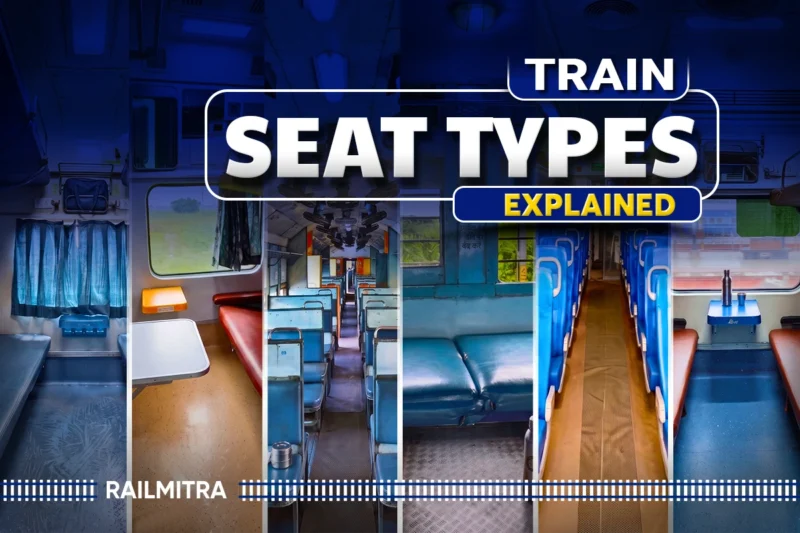
Types of Seats in Train with Images: Understanding Seat Maps
Many first time passengers search specifically for types of seats in train with images. A seat map explains layout far better than plain text ever could. A typical sleeper coach diagram shows eight berths per bay. These are numbered in a fixed sequence that repeats through the coach.
AC coach diagrams look slightly different, with fewer berths per bay. Aisle space also appears more clearly marked out. Chair car diagrams show simple row and column numbering. This looks similar to what you would see on a flight boarding pass.
Seat maps matter because berth position affects your entire journey. A side lower berth near the coach door faces more foot traffic. A middle bay berth usually stays quieter through the night. Passengers who study the layout in advance tend to make smarter seat choices. Checking the train seat availability tool on RailMitra also shows which specific berths remain open. That makes visualising your exact seat position much easier before the trip even starts.
How to Check Availability for Different Types of Train Seats
After knowing the type of seating in train suitable for your journey check whether the seats are open or not. RailMitra’s service for train seat availability is quite an effective tool to check through train number, travel date, and seat class. Result displays actual time availability of different classes like sleeper AC chair car for that train.
This tool becomes particularly useful during peak season. Certain classes fill up faster than others depending on the route. Festival weeks and long weekends are usually when demand spikes hardest across all coach types. A passenger might find AC coaches sold out while sleeper class still has room. The reverse also happens sometimes, depending on the season.
Search results also break availability down by quota. This lets you compare general quota against Tatkal openings for the same train. That level of detail helps travellers decide whether to book immediately. It also helps when deciding to wait and try again closer to the date. Checking availability early saves time and avoids the disappointment of a sold out class showing up mid booking.
How to Check Your Booking Status Using PNR
After booking any type of seats in train, passengers receive a ten digit PNR number. This number tracks your exact booking status right up to departure. It also shows your seat or berth allotment along the way. Any waitlist movement gets reflected here as well.
RailMitra’s PNR status tool makes checking this simple. Just enter your ten digit PNR number to begin. The system pulls your current booking details almost instantly. This includes your coach number, berth number, and confirmation status. You do not need to log in or register anywhere to use it. The whole process takes only a few seconds on any device.
Waitlisted passengers in particular should check PNR status regularly before travel. Confirmation chances shift as other passengers cancel their tickets closer to departure. RailMitra also shows current train running status alongside PNR details. That combination gives passengers a fuller picture before heading out to catch their train.
Food Delivery for Every Seat Type on RailMitra
Regardless of which type of seats in train you end up booking, food remains a practical concern. RailMitra’s train food delivery service lets passengers order meals in advance. These meals reach passengers directly at scheduled station stops along the route.
This works across every coach type, from general seating to first AC cabins. Passengers simply select their train, PNR number, and preferred station. They then choose from available meal options at that particular stop. Fresh food arrives right at your seat or berth. There is no need to rely on uncertain pantry car service or rushed platform vendors.
For passengers travelling in sleeper or general coaches especially, this service helps a lot. It removes one of the bigger hassles of long distance train travel. Even AC passengers, who usually get catering included, often prefer ordering through this option. It simply offers more variety during a long journey.
Conclusion
Understanding the types of seats in train makes a real difference to your journey. Sleeper class suits budget travellers on overnight routes. AC coaches bring comfort and privacy at a higher price. A chair car works better for short day trips whereas a general coach remains a cheapest choice when you are travelling by train without prearrangements. Before choosing any option, check the train timetable for departure hours and get the seat number from the train staff, as only a limited number of seats are booked in each coach. It is easier to get a seat through PNR status by RailMitra and booking through this website is hassle-free as you get confirmation messages when the booking is made at a lower or higher station. Add in food delivery for the journey itself, and travelling by train across India feels a lot less complicated.